



Read this article in 中文 Français Deutsch Italiano Português Español
US construction input prices now 8.9% higher than a year ago

11 September 2026
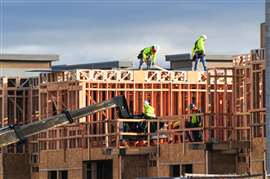 Construction workers frame a multi-unit residential building in East Mesa, Arizona, USA (Image: Eduardo Barrazza via AdobeStock - stock.adobe.com)
Overall construction input prices in the US are now 8.9% higher than a year ago, while non-residential input prices are 8.8% higher.
That’s according to the latest analysis of the US Bureau of Labor Statistics’ Producer Price Index by Associated Builders and Contractors (ABC), which found that prices in August increased 1.2% compared to the previous month.
The ABC found that prices on two of the three energy subcategories increased last month, with crude petroleum prices up 5.2% and unprocessed energy materials rose 1.5%. Natural gas prices did fall, however, by 11.6%.
ABC chief economist Anirban Basu said, “Construction input prices surged again in August, and the increases were widespread across materials.
“Prices for iron and steel, softwood lumber, switchgear, copper wire and cable, and several derivative metal products are now up more than 10% year over year. While contractors remain optimistic about their margins, according to ABC’s Construction Confidence Index, ongoing input price escalation is likely to weigh on profitability over the next several months. This is especially true given recent escalation in the trade war with Canada and the fact that oil prices have jumped back above $100 per barrel.”
Conducting its own analysis, the Associated General Contractors of America (AGC) found that the largest price increases affected petroleum products, along with metals that are subject to tariffs of 50%.
The producer price index for diesel fuel jumped 77.8% from August 2025 to August 2026, while the index for liquid asphalt rose by 16.4% year on year.
When it came to metals prices, aluminium mill shapes jumped by 27.3%, steel mill products were up 23.4%, and copper and brass mill shapes were up 20.9%, it found.
“Construction firms are being squeezed by tariff- and war-induced materials cost increases, even as they boost wages to attract personnel,” said Ken Simonson, the association’s chief economist. “Those cost increases, according to our latest survey, are a major reason project owners are cancelling, postponing or scaling back projects.”
STAY CONNECTED



Receive the information you need when you need it through our world-leading magazines, newsletters and daily briefings.


CONNECT WITH THE TEAM