



New tariffs raise pressure on North American construction

24 August 2026
The collapse of trade talks between the US and Canada has triggered new tariffs on construction-linked goods, including cement, steel, aluminium and lumber.
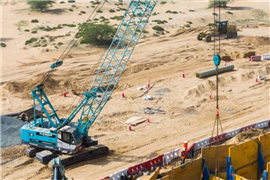
 The new tariffs come on top of existing US tariffs on Canadian steel, aluminium, automobiles and lumber. Image: Adobe Stock
US President Donald Trump has introduced new 50% tariffs on a range of Canadian goods after negotiations between the two countries broke down.
The new tariffs cover around US$20 billion of imports from Canada, or about 5% of total Canadian goods entering the US. Products affected include cement and the measures come on top of existing US tariffs on Canadian steel, aluminium, automobiles and lumber.
Canadian Prime Minister Mark Carney said Canada would respond with matching tariffs from 8 September, including levies on steel, dairy, appliances and electronics.
The escalation has raised fresh concerns for construction supply chains in North America, where materials and manufactured products move across the US-Canada border as part of a highly integrated trading relationship.
Steel, aluminium, lumber and cement are all key inputs for construction, while higher duties on appliances and electronics could also affect building services, residential development and fit-out costs.
Carney described the new tariffs as a “miscalculation” and said Canada would retaliate “dollar-for-dollar”.
Both sides had appeared optimistic about reaching a deal earlier in the week, but talks collapsed after each accused the other of making late changes to the proposed agreement. US negotiators have said there are no current plans to resume talks.
Brian P. McGuire, president & CEO of Associated Equipment Distributors (AED) said, “AED is disappointed that the US and Canada could not come to a trade agreement during recent negotiations. However, our resolve remains strong.
“AED has always had a stance supporting free and fair trade in North America, as the best means for achieving economic prosperity and growth in the sectors our members serve. Tariffs and retaliatory tariffs damage the economies on both sides of the border. Any measures that target equipment that builds, feeds and fuels both countries are detrimental regardless of if they’re imposed by Canada or the United States.”
The dispute comes as the US, Canada and Mexico review the USMCA trade agreement, which replaced the North American Free Trade Agreement and underpins US$1.6 trillion in annual trilateral trade.
Canada and Mexico requested earlier this summer that USMCA be renewed for another 16 years, but the US declined to renew the agreement in its current form.
STAY CONNECTED



Receive the information you need when you need it through our world-leading magazines, newsletters and daily briefings.



CONNECT WITH THE TEAM